Why Does Double Chin Form? The Causes You Need to Know
Have you wondered why some people develop double chin while others maintain a defined jawline? The answer combines genetic, hormonal, and lifestyle factors.
Understanding these causes not only explains why it happens, but allows you to take preventive measures and choose the most appropriate treatment.

The Anatomy of Double Chin: What’s Really Happening
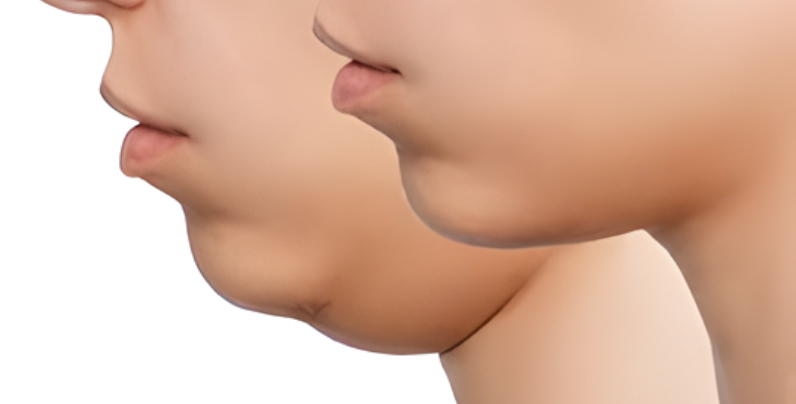
Double chin, also known as “double chin” or submental flaccidity, occurs when fat accumulates and skin sags in the lower facial area.
Involved Structures:
- Submental fat: Fat deposit under the chin
- Platysma: Neck muscle that stretches with age
- Connective tissue: Loses elasticity and firmness
- Mandibular bone: May resorb slightly with age
When these elements combine, the result is the appearance of “double chin” that so concerns people.

Factor #1: Genetics - The Factor You Can’t Change
Genetic predisposition is the most important factor in double chin formation.
How Genetics Influence:
Family inheritance: If your parents or grandparents have prominent double chin, it’s very likely you’ll develop it too.
Fat distribution: Some people inherit a tendency to accumulate fat in the submental area, independent of body weight.
Skin structure: Skin thickness and elasticity are genetically determined.
Bone structure: The shape of the jaw and cervicomandibular angle can favor double chin appearance.
Important Note:
If you have family history of double chin, it’s likely to appear between ages 25-35, much earlier than in people without genetic predisposition.
Factor #2: Aging - The Inevitable Process
Time passage is the second most important factor in double chin formation.
Changes with Age:
Collagen loss: From age 25, collagen production decreases 1-2% annually. Skin loses elasticity.
Bone resorption: Jaw bones lose density and definition with age.
Fat accumulation: Facial fat distribution changes, concentrating in lower areas.
Muscle weakness: The platysma muscle atrophies and loses tone.
Typical Timeline:
- 20-30 years: Subtle onset, barely perceptible
- 30-40 years: More evident, especially with movement
- 40+ years: Prominent, may affect overall appearance
Factor #3: Lifestyle - Habits That Accelerate Double Chin
Your daily routine has a direct impact on double chin formation.
Habits That Favor Double Chin:
Poor posture: Spending hours looking at screens causes “tech neck”, weakening neck muscles.
Lack of exercise: Not exercising facial and cervical muscles accelerates flaccidity.
Poor diet: Excess sugars and refined carbohydrates promote fat accumulation.
Chronic stress: Increases cortisol, favoring fat deposit in facial area.
Smoking: Accelerates skin aging and elasticity loss.
Insufficient sleep: Interferes with collagen production and tissue repair.
Quantified Impact:
People with poor posture develop double chin 2-3 years earlier than those with good ergonomics.
Factor #4: Hormonal Changes - The Silent Enemy
Hormonal fluctuations have a direct effect on double chin formation.
Involved Hormones:
Estrogens: Their decrease in menopause accelerates collagen loss and elasticity.
Testosterone: In men, its conversion to DHT may favor submental fat deposit.
Cortisol: Chronic stress elevates levels, promoting fat accumulation.
Thyroid: Hypothyroidism may cause pretibial myxedema and favor fluid retention.
Special Cases:
- Pregnancy: Temporary hormonal changes may cause temporary double chin
- Medications: Some drugs favor fluid retention and fat deposit
Is Double Chin Just Aesthetic or Does It Affect Health?
Although primarily an aesthetic problem, double chin can have deeper implications.
Functional Aspects:
- Difficulty speaking: May interfere with clear articulation
- Digestive problems: In extreme cases, affects swallowing
- Reduced self-esteem: Significant psychological impact
Medical Aspects:
- Infection risk: Sweat and dead cell accumulation
- Skin problems: Greater susceptibility to dermatitis
- General health indicator: May reflect metabolic problems
How to Prevent Double Chin Formation?
Knowing the causes allows implementing effective preventive strategies.
Preventive Measures:
Genetics (unmodifiable): Accept and monitor, intervene early.
Aging: Use sun protection, anti-aging routine from age 25.
Lifestyle:
- Maintain good posture
- Regular facial and cervical exercise
- Anti-inflammatory diet
- Stress management
- Quality sleep (7-9 hours)
Hormonal: Consult doctor if imbalances, consider hormone therapy if applicable.
Daily Preventive Routine:
- Facial exercise: 5 minutes daily of specific exercises
- Posture: Reminders to maintain aligned neck
- Hydration: 2-3 liters of water daily
- Nutrition: Proteins, vegetables, healthy fats
When to Seek Professional Treatment?
Not all double chin requires invasive treatment. The key is intervening on time.
Warning Signs:
- Double chin visible at rest
- Loss of mandibular definition
- Persistent fat accumulation
- Flaccidity that doesn’t improve with diet/exercise
Treatment Options:
Prevention: Topical creams, exercise, good posture.
Minimally Invasive: Morpheus8, Liftera, tensor threads.
Surgical: Submental liposculpture, cervical lifting.
Recommendation:
Consult a specialist when you notice the first signs. Early treatments are more effective and less invasive.
Conclusion: Double Chin Is Preventable and Treatable
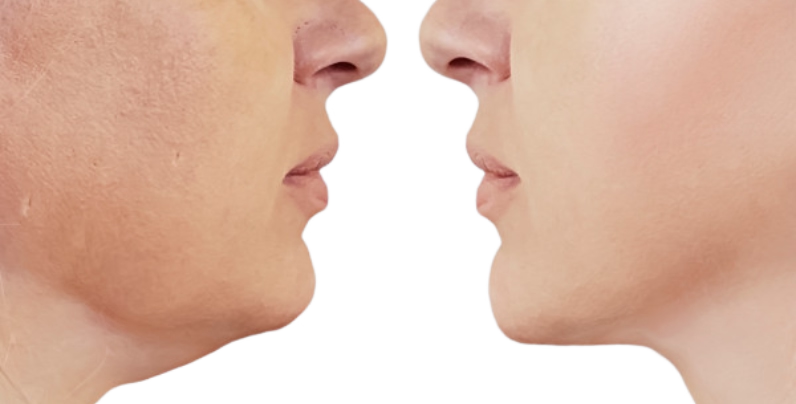
Understanding why double chin forms gives you the power to prevent or treat it effectively.
Remember:
- Genetics influence, but don’t determine
- Lifestyle accelerates or delays its appearance
- Prevention is more effective than late correction
- Safe and effective treatments exist
Do you have or want to prevent double chin? Our specialists can evaluate your specific case and recommend the best approach.
📞 +57 310 565 3836 💬 WhatsApp available