Losing 50 to 100 hairs a day is normal. Hair loss is considered pathological when that figure is sustained, the scalp becomes visible, or hair loses calibre. The most frequent causes are androgenetic alopecia, telogen effluvium after stress or childbirth, iron deficiency and thyroid disorders. Treatment depends on the diagnosis: at ALMO Clinic in Bogotá this is established with digital trichoscopy, and hair PRP starts from $112 USD per session.
Reviewed by Dr. Oscar Barón · Cirujano plástico · SCCP
50–100 hairs/day
- Hair PRP $112 USD
- Diagnosis Digital trichoscopy
If you have noticed more hair than usual in your brush, on the shower drain, or on your pillow, you are not alone. Hair loss affects up to 80% of men and 50% of women at some point in their lives, and it is one of the most frequent reasons for medical consultation in dermatology and trichology worldwide.
The challenge is that not all hair loss is the same. Some types are temporary and reversible, while others are progressive and require early intervention to prevent permanent damage. Knowing what type of hair loss you are experiencing is the first and most important step.
In this guide, the trichology team at ALMO Clinic explains the real medical causes behind hair loss, when you should worry, and what treatments actually work.
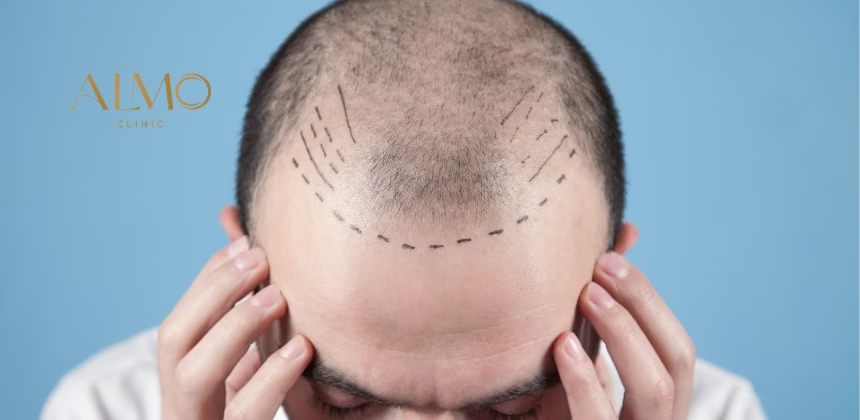
Most common causes of hair loss
Hair loss is rarely caused by a single factor. In most patients, it results from a combination of genetic predisposition, hormonal changes, nutritional status, and environmental triggers.
Genetic hair loss (androgenetic alopecia)
This is the most common cause, affecting approximately 70% of men and 40% of women by age 70. In men, it typically presents as a receding hairline and thinning crown. In women, it manifests as diffuse thinning over the top of the scalp while maintaining the frontal hairline.
Androgenetic alopecia is driven by the sensitivity of hair follicles to dihydrotestosterone (DHT), a derivative of testosterone. Over time, DHT progressively shortens the growth phase of the hair cycle, producing thinner and shorter hairs until follicles stop producing visible hair altogether.
Hormonal hair loss
Hormonal fluctuations can trigger temporary or chronic hair shedding. Common hormonal triggers include:
Pregnancy and postpartum: During pregnancy, elevated estrogen levels prolong the growth phase, creating thicker, fuller hair. After delivery, estrogen drops sharply and large numbers of hairs enter the shedding phase simultaneously. This condition, known as telogen effluvium, typically resolves within 6 to 12 months.
Thyroid disorders: Both hypothyroidism and hyperthyroidism can disrupt the hair cycle. Thyroid hormones regulate metabolism in hair follicle cells, and any imbalance leads to diffuse shedding. Treating the underlying thyroid condition usually restores normal hair growth within months.
PCOS (polycystic ovary syndrome): Women with PCOS often have elevated androgen levels, which can trigger male-pattern hair thinning combined with excess facial and body hair.
Stress-related hair loss
Stress is one of the most underestimated causes of hair loss. There are three recognized stress-related hair conditions:
- Telogen effluvium — acute stress pushes large numbers of hair follicles into the resting phase, causing diffuse shedding 2 to 3 months after the stressful event.
- Alopecia areata — an autoimmune condition where the immune system attacks hair follicles, often triggered by severe emotional or physical stress.
- Trichotillomania — a psychological condition where a person repeatedly pulls out their own hair as a response to stress or anxiety.
Nutritional deficiencies
Hair follicles are among the most metabolically active cells in the body and require a constant supply of nutrients. Deficiencies in the following can cause or worsen hair loss:
- Iron — the most common nutritional cause of hair loss in women. Ferritin levels below 40 ng/mL are associated with hair thinning.
- Zinc — essential for protein synthesis and cell division in hair follicles.
- Vitamin D — receptors in hair follicles require vitamin D to initiate the growth phase.
- B vitamins — particularly biotin and B12, which support keratin production.
Medications that cause hair loss
Several medications list hair loss as a side effect, including:
- Anticoagulants
- Beta-blockers
- Antidepressants
- Chemotherapy agents
- High-dose vitamin A
- Some birth control pills
Hair typically returns to normal once the medication is discontinued or adjusted, though this should always be done under medical supervision.
The role of vitamins and biotin (and when they are not enough)
Walk into any pharmacy and you will find dozens of supplements claiming to stop hair loss and promote growth. The reality is more nuanced.
Biotin (vitamin B7) is essential for keratin production, and a biotin deficiency does cause hair thinning. However, true biotin deficiency is rare in people with a balanced diet. Taking biotin supplements when you already have adequate levels will not make your hair grow faster or thicker.
The same applies to most hair supplements. Unless you have a proven deficiency, additional vitamins will not reverse hair loss caused by genetics, hormones, or medical conditions.
What actually works: A targeted supplement strategy based on a blood test. At ALMO Clinic, we measure ferritin, vitamin D, zinc, thyroid hormones, and sex hormones before recommending any supplementation. This avoids unnecessary spending and addresses the real root cause.
Stress-related hair loss
Stress-related hair loss is often the most frightening because it can appear suddenly and dramatically. Patients often describe “handfuls of hair coming out in the shower.”
This condition, known as telogen effluvium, occurs when a physical or emotional stressor triggers a large number of follicles to enter the telogen (resting) phase at the same time. The shedding begins 2 to 3 months after the triggering event.
Common triggers for telogen effluvium include:
- Major surgery or illness
- High fever (especially from COVID-19)
- Rapid weight loss
- Extreme emotional stress
- Childbirth
- Discontinuation of hormonal birth control
The good news is that telogen effluvium is almost always reversible. Once the trigger is removed or resolved, hair growth resumes within 6 to 12 months. Stress management, adequate sleep, and nutritional support can significantly speed up recovery.
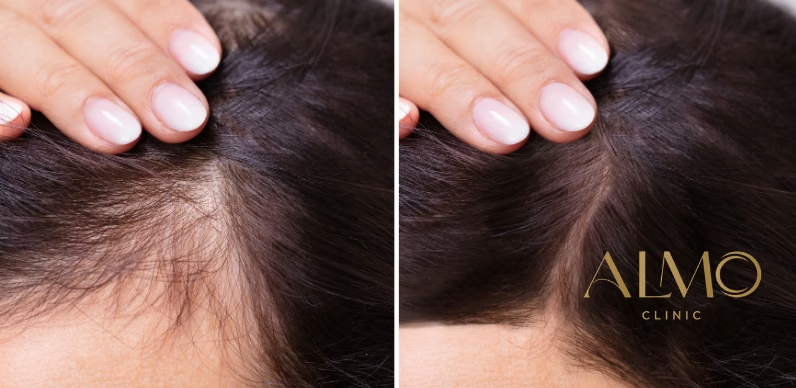
When hair loss is normal vs. when it signals a medical problem
How much hair loss is normal? The average person loses 50 to 100 hairs per day as part of the natural hair cycle. This is entirely normal and represents old hairs being shed to make room for new ones.
You should consider consulting a trichology specialist if you experience any of the following:
- Shedding more than 150 hairs per day for more than two weeks
- Visible patches of baldness or circular areas with no hair
- Thinning that follows a pattern (receding hairline, crown thinning)
- Sudden hair loss after a stressful event, surgery, or medication change
- Scalp symptoms such as itching, burning, redness, or flaking
- Hair breakage rather than shedding from the root
- Associated symptoms such as fatigue, weight changes, or menstrual irregularities
A note on female hair loss: Women often experience diffuse thinning that is less obvious than male pattern baldness. The first sign may be a wider parting or a smaller ponytail circumference. Because the causes are more varied in women, a thorough medical evaluation is especially important.
What type of doctor treats hair loss
Hair loss is treated by trichologists — specialists in hair and scalp conditions. At ALMO Clinic, our trichology department combines medical dermatology with advanced hair restoration techniques to offer comprehensive care.
Your first consultation includes a detailed medical history, scalp examination with digital trichoscopy, blood work to identify nutritional and hormonal factors, and a personalized treatment plan. Depending on your diagnosis, treatment options may include:
- Topical and oral medications such as minoxidil and finasteride to slow progression and stimulate regrowth
- PRP therapy — platelet-rich plasma injected into the scalp to stimulate follicle activity
- Mesotherapy — vitamin and medication cocktails delivered directly to the scalp
- Low-level laser therapy to improve blood flow and cellular metabolism
- FUE hair transplant for permanent restoration in areas with advanced thinning
The earlier you seek treatment, the more options you have. Schedule an evaluation with our trichology specialists in Bogotá to determine the cause of your hair loss and start an effective treatment plan.
Frequently asked questions
At what age does hair loss start?
Androgenetic alopecia can begin as early as the late teens or early twenties in genetically predisposed individuals. By age 35, approximately 40% of men show some degree of visible hair loss. Women typically experience onset later, often around menopause, though it can start at any age.
Can hair loss be reversed?
It depends on the cause. Telogen effluvium, nutritional deficiencies, and medication-related hair loss are reversible once the underlying cause is addressed. Androgenetic alopecia cannot be cured, but it can be managed effectively with medications, PRP, mesotherapy, and hair transplant surgery.
Does wearing hats cause hair loss?
No. Wearing hats does not cause hair loss. This is a persistent myth with no scientific basis. Hats do not restrict blood flow to follicles or cause them to fall out.
How long after starting treatment will I see results?
Hair grows approximately 1 cm per month. Most treatments require 3 to 6 months before visible improvement is noticed, and 12 to 18 months for full results. Patience is essential — treatments work by gradually improving the hair cycle, not overnight.
Is PRP effective for hair loss?
Yes, PRP has shown significant efficacy in treating androgenetic alopecia, particularly in early to moderate stages. Multiple sessions are typically needed (3 to 4 initial sessions spaced monthly, followed by maintenance every 6 to 12 months).
Ready to find out what’s causing your hair loss? Talk to our trichology team directly.
Talk to our trichology team </a>