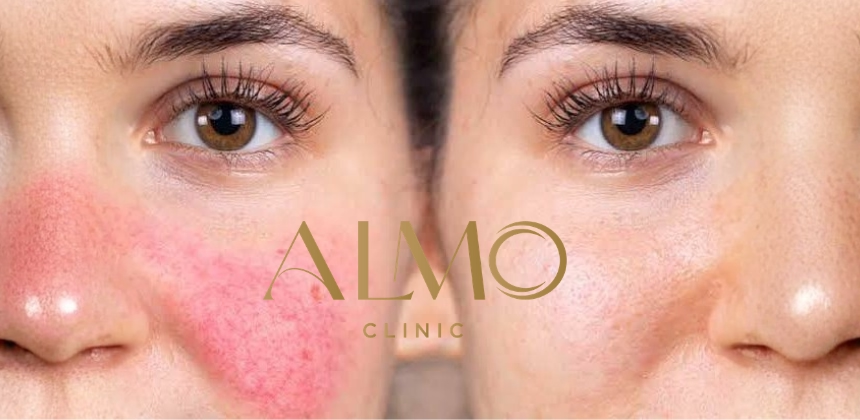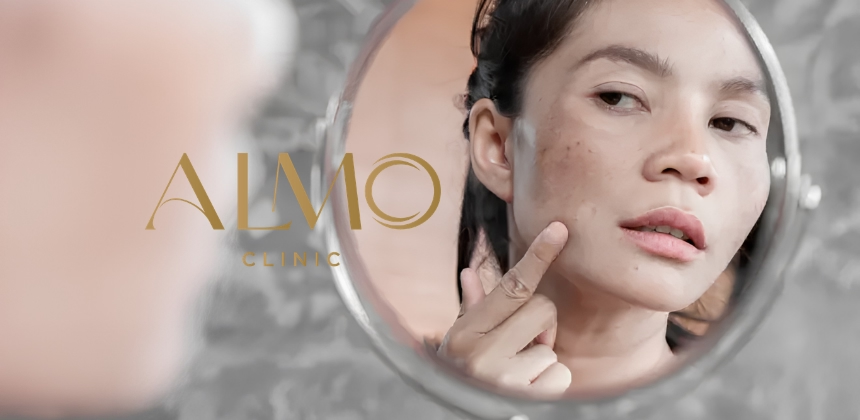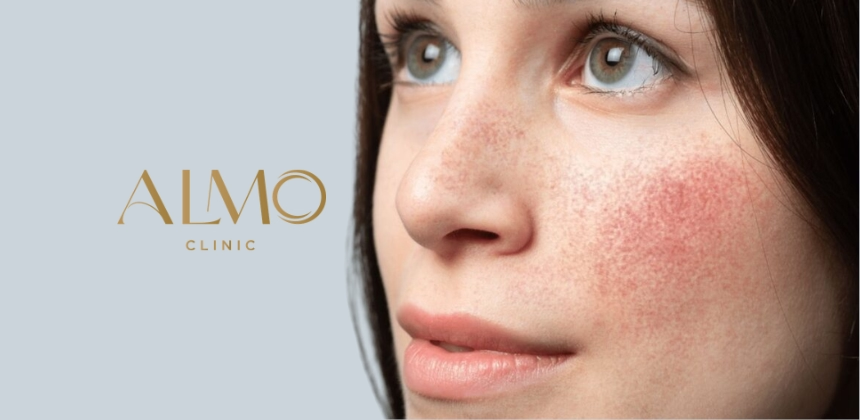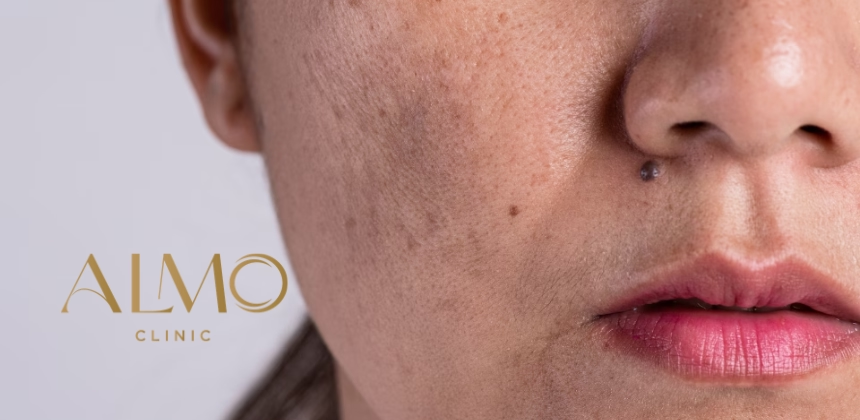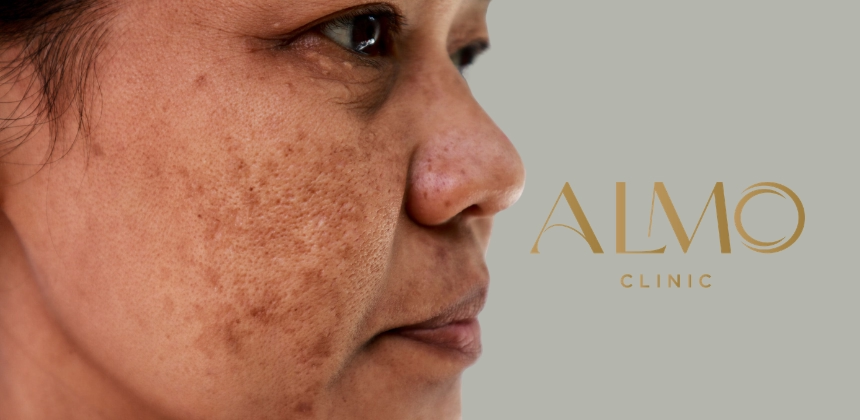
Gestational melasma, or chloasma, affects a high proportion of pregnant women because estrogen and progesterone stimulate melanocytes, which also become more light-sensitive. During pregnancy and breastfeeding, treatment is limited to strict sun protection and safe actives such as azelaic acid: hydroquinone, retinol and deep peels are contraindicated. In many cases it fades on its own in the months after delivery; if it persists, it is treated once breastfeeding ends.
Reviewed by Dr. Oscar Barón · Cirujano plástico · SCCP
Sun protection only
- Contraindicated Hydroquinone and retinol
- After breastfeeding From $87 USD
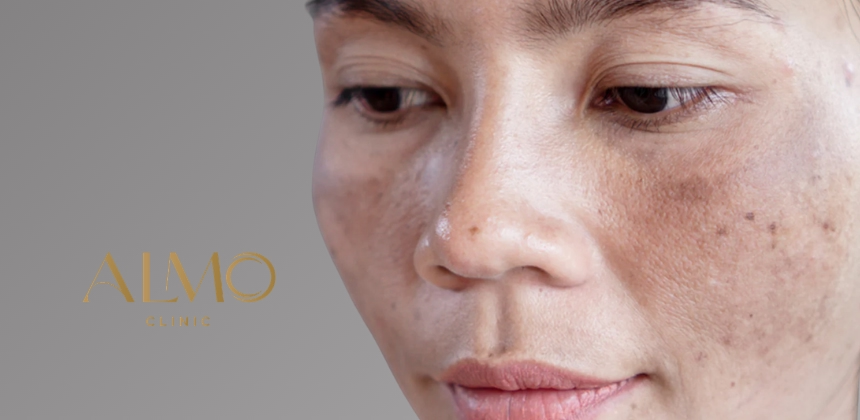
In the second trimester of pregnancy, many women notice the skin on their cheeks, forehead or upper lip darkening. The patches appear symmetrically, as if someone had drawn a “mask” across the centre of the face.
It is not a hygiene issue. It is not something you are doing wrong. It is gestational melasma — and it is extremely common.
Why pregnancy causes facial patches
During pregnancy, oestrogen and progesterone levels rise significantly and remain elevated. These hormones do not only affect the uterus and breasts: they also directly stimulate melanocytes, the cells that produce the skin’s pigment.
Melanocytes have oestrogen receptors. When these receptors are activated, melanocytes produce more melanin — more pigment. In skin with a genetic predisposition, this response is especially pronounced.
The result: brown or grey-brown patches appearing symmetrically in the centrofacial zone, mainly on:
- Cheeks
- Forehead
- Upper lip
- Chin
- Nose (less frequently)
The combination of hormonal load + sun exposure is particularly potent. That is why melasma tends to appear or worsen during the sunnier months, and why photoprotection is the most important pillar of management during pregnancy.
Is pregnancy melasma the same as regular melasma?
Yes and no.
The biological mechanism is the same: hyperreactive melanocytes overproducing pigment in response to hormonal and solar stimuli.
The difference lies in the primary trigger: in gestational melasma, the hormonal source is the pregnancy itself. In contraceptive-associated melasma, it is the synthetic oestrogens and progestins in the pill.
Technically, all of these are called melasma. The term chloasma is used specifically for pregnancy melasma, though in dermatology both terms are used interchangeably.
Does it fade after birth?
This is the question we hear most in consultation. The honest answer: sometimes yes, sometimes no.
When it may improve on its own:
- If the melasma was primarily epidermal (in superficial layers)
- If sun exposure is strictly controlled after delivery
- If the woman does not resume hormonal contraceptives after birth
When it tends to persist:
- If the dermal component (deep layers) is significant
- If combined hormonal contraceptives (oestrogen + progestin) are restarted
- If there is unprotected sun exposure during breastfeeding
- If there is a strong genetic predisposition
In clinical practice, we see many cases where melasma partially improves postpartum but does not resolve completely. Without active treatment, it tends to worsen with the next significant sun exposure.
What can be done during pregnancy
Active treatment options during pregnancy are limited. The safety of the foetus is the absolute priority, and many depigmenting actives are not indicated during this period.
What is indicated during pregnancy:
- Broad-spectrum SPF 50+ sunscreen, every day. The most important measure. Physical sunscreen (zinc oxide, titanium dioxide) is preferred — it has the highest safety profile.
- Azelaic acid 10–20%. The depigmenting active with the strongest safety evidence in pregnancy. It inhibits tyrosinase — the key enzyme in melanin production — without the risks associated with other actives.
- Niacinamide (vitamin B3). Inhibits the transfer of melanin to keratinocytes. Good tolerability and acceptable safety profile during pregnancy.
- Vitamin C (ascorbic acid) in stable formulations. Antioxidant with mild depigmenting effect. Generally well tolerated.
What is NOT indicated during pregnancy:
- Hydroquinone (international guidelines advise against it due to systemic absorption)
- Chemical peels with trichloroacetic acid (TCA) or phenol
- Laser and IPL
- Retinoids (tretinoin, retinol at high concentrations)
- Kojic acid at high concentration
When to start active treatment: the postpartum window
After delivery and, if the woman is not breastfeeding, a broader window for active treatment opens.
If breastfeeding, the same pregnancy restrictions apply for the most part: the skin absorbs substances that can pass into breast milk.
Once breastfeeding stops and the woman decides not to restart combined hormonal contraceptives, the dermatologist can design a comprehensive protocol that may include:
- Chemical peels with mandelic acid, glycolic acid or superficial TCA
- High-concentration depigmenting agents (formulated hydroquinone, tranexamic acid, active combinations)
- Intense pulsed light (IPL) or pigmentation-specific laser
The key is the correct sequence, the right concentration for the melasma type and constant photoprotection — which is never abandoned, even when the patches improve.
The role of hormonal contraceptives
If melasma appeared or worsened with combined oral contraceptives (those containing oestrogen + progestin), it is worth discussing with your gynaecologist the possibility of switching to a non-hormonal method or to progestin-only options, which have less effect on melanocytes.
This is not always possible or desirable. But it is a variable that should be part of the conversation with the medical team.
How we see it at ALMO
Postpartum melasma is one of the most frequent reasons for dermatology consultation we see in women between 28 and 40 years old.
What stands out to us is that many arrive after months of trying cosmetic products that are not formulated at the concentration or for the type of melasma they have. The delay before seeking medical consultation is typically 1 to 2 years.
The earlier the correct diagnosis is made — and whether the melasma is epidermal, dermal or mixed is determined — the sooner an effective protocol can be designed.
Book your postpartum melasma evaluation at ALMO Clinic →
Have questions about what’s safe for your stage — pregnancy, breastfeeding, or postpartum? Ask our team directly.
Ask about melasma during pregnancy </a>
Frequently asked questions
Does pregnancy melasma go away after the baby is born?
Not necessarily. In some cases it improves on its own, especially if the pigmentation is superficial and strict photoprotection is maintained. But in many cases it persists and requires active medical treatment postpartum.
Can I use hydroquinone during pregnancy?
International guidelines advise against hydroquinone during pregnancy due to its systemic absorption. Safe alternatives such as azelaic acid and niacinamide can be indicated during this period.
Will pregnancy melasma return in future pregnancies?
Yes, there is a high risk of recurrence. Women who developed melasma in their first pregnancy have a greater predisposition to it returning in subsequent ones. Strict photoprotection from the first trimester is essential.
Does breastfeeding prevent melasma treatment?
During breastfeeding, many of the pregnancy restrictions remain. Azelaic acid and niacinamide are the safest actives. More aggressive treatments are recommended after breastfeeding ends.
Does taking vitamin C orally help with melasma?
Oral vitamin C has an antioxidant effect and can complement treatment, but it is not a primary treatment for melasma. The direct impact on patches is limited compared to topical actives at therapeutic concentrations.